
BubbleFect at ELRIG Cell & Gene Therapy 2026 — Non-Viral Delivery for Cell and Gene Therapy Research
Last week, Olaf and Zehra from PartitionBio had the pleasure of attending the ELRIG Cell & Gene Therapy meeting. ELRIG events continue to stand out as a hub for meaningful scientific exchange and genuine community spirit.
BubbleFect at ELRIG Cell & Gene Therapy 2026 — The Stand
From the moment the doors opened, it was clear this would be a memorable few days. We were proud to host a stand that brought a bit of creativity (and fun!) into the exhibition space. Our gum ball machine, filled with not only ‘cargo’ sweets, but with hand-crafted crochet ‘cells’. It quickly became a talking point across the event. It was incredible to see so many attendees engage with it, sparking conversations that blended science, curiosity, and a bit of lightheartedness. Who knew crochet cells could be such effective icebreakers?
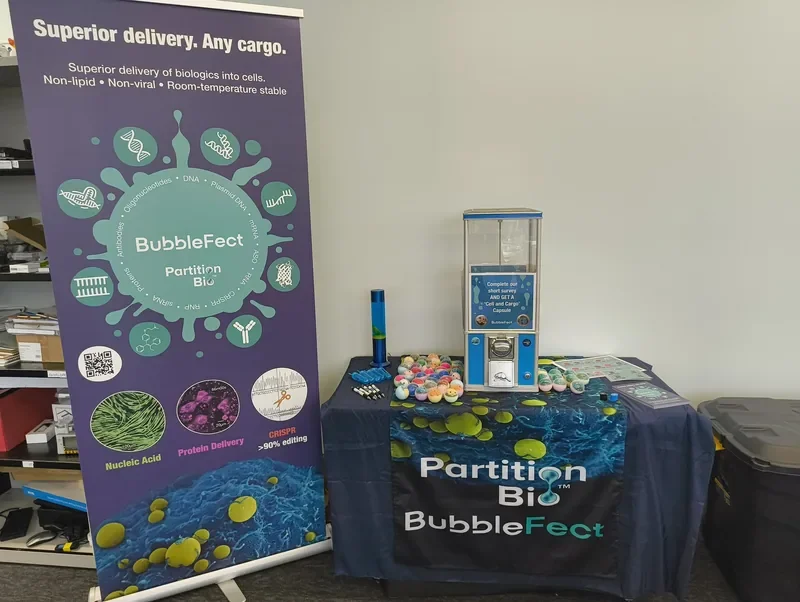
Our stand tested out in the office
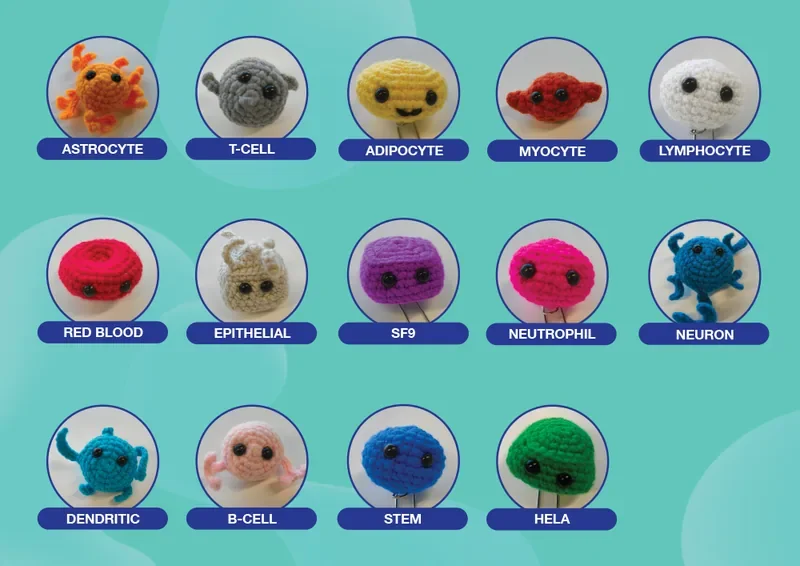
All the crocheted cells made for the event
BubbleFect Tech Talk — Transfection Data Across Key Applications
Alongside the stand, we delivered a 5-minute tech talk highlighting recent data from BubbleFect and its performance across key transfection applications. In particular, we shared benchmarking studies comparing BubbleFect with 293Fect in suspension cell expression systems. Across multiple runs, BubbleFect demonstrated comparable, and in some cases improved, protein expression levels, while maintaining strong cell growth profiles and high viability. These are critical parameters for researchers working in protein production workflows, where transfection efficiency must be balanced with overall culture health and scalability.
We also presented customer-generated data showcasing the performance of BubbleFect in more sensitive cell models. Using a titration matrix approach in hiPSCs, the study achieved 100% transfection efficiency with eGFP mRNA, while maintaining excellent cell viability. This kind of result highlights not only the efficiency of delivery, but also the gentleness of the system, an important factor when working with delicate or hard-to-transfect cell types.
The short format encouraged focused discussion, and we appreciated the thoughtful questions and follow-ups that came afterward.
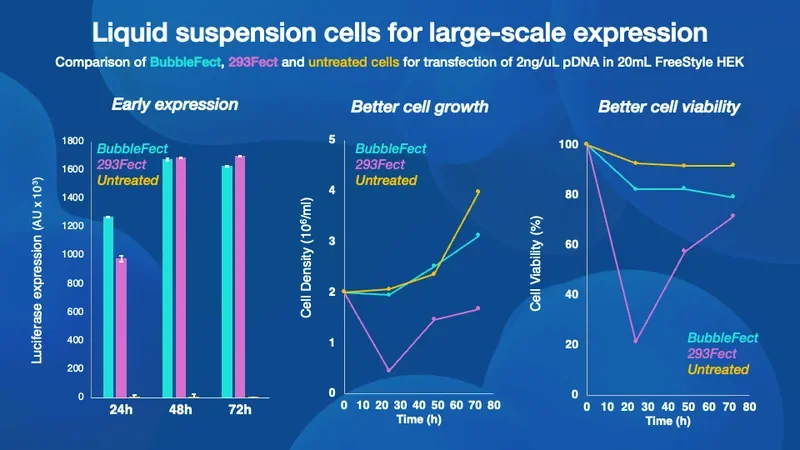
Comparing BubbleFect to 293Fect
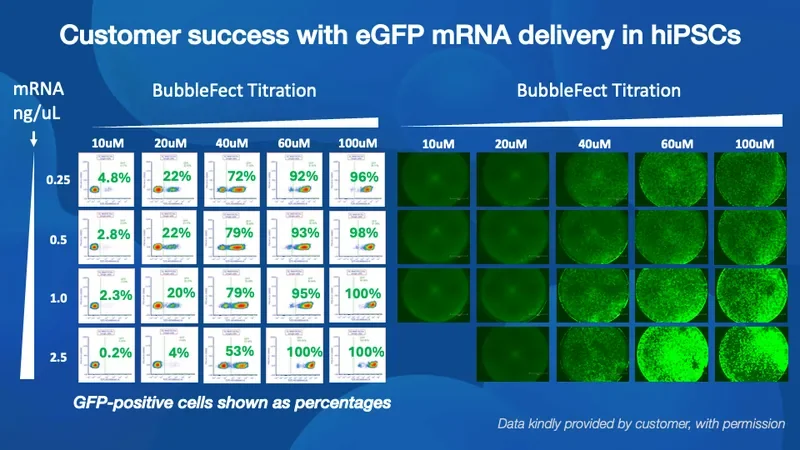
100% transfection of eGFP mRNA in hiPSCs
Non-Viral vs Viral Delivery in Cell and Gene Therapy
As always with ELRIG events, one of the biggest highlights was the networking. The meeting brought together a diverse group of scientists, innovators, and industry leaders, creating the perfect environment for building new connections and strengthening existing ones. We had the opportunity to speak with collaborators old and new, exchange ideas, and explore potential partnerships that we’re excited to see develop over the coming months.
The scientific programme was equally impressive. A standout keynote from Dr Stephen Ward, Chief Technology Officer at the Cell and Gene Therapy Catapult, explored whether the “coming of age” of advanced therapies is truly within reach, or still an aspirational goal. His talk highlighted the transformative potential of cell and gene therapies over the next decade, while also addressing the very real bottlenecks in development, manufacturing, and patient delivery.
A key theme was the role of emerging technologies, particularly automation, robotics, and digitalisation, in overcoming these challenges. Dr Ward emphasised that improving efficiency and scalability will be critical if the field is to move from promise to widespread clinical impact. Encouragingly, he also pointed to increasing flexibility in global regulatory approaches, suggesting that the sector is approaching a pivotal moment. Through collaboration across the ecosystem, there is a clear pathway toward building a sustainable industry capable of delivering truly game-changing therapies to patients.
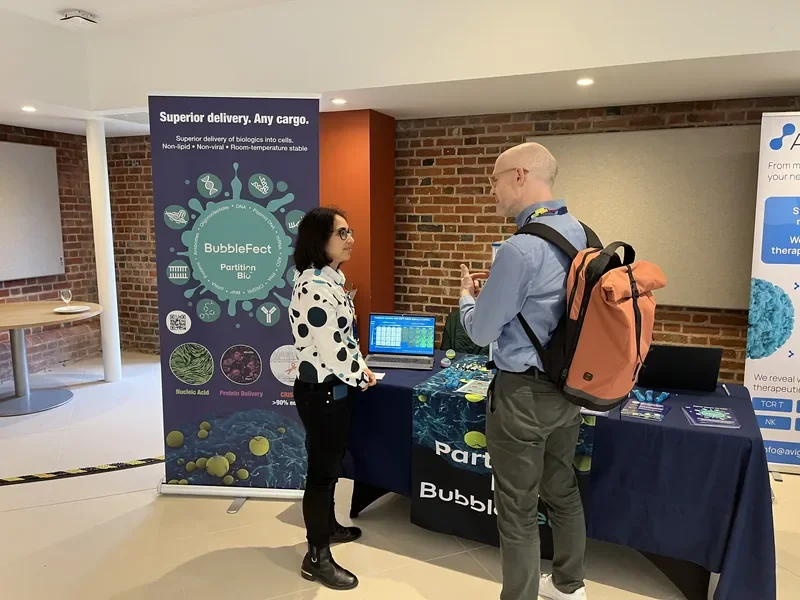
Zehra talking to an attendee at our booth
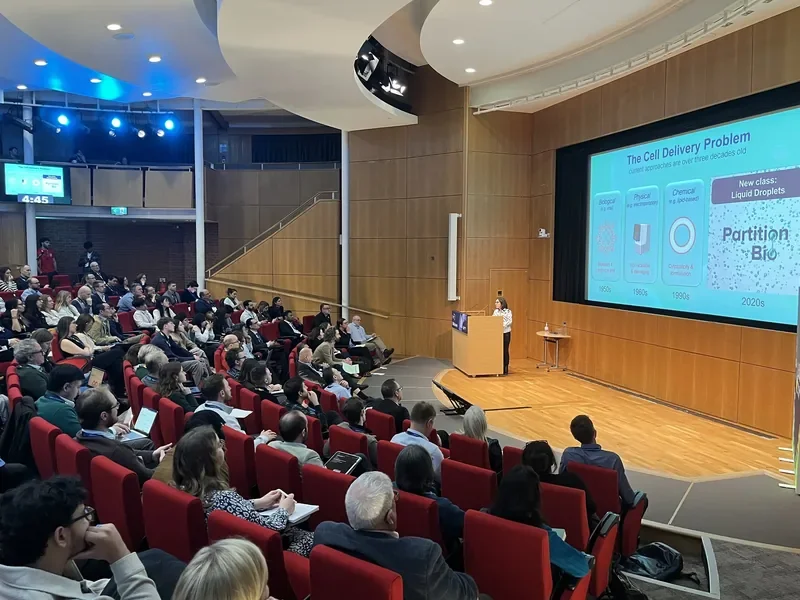
Zehra giving our 5-min Tech Talk in the auditorium
BubbleFect for Cell and Gene Therapy Workflows
Another particularly compelling talk came from Dr Seng H. Cheng, Senior Vice President at Alexion, AstraZeneca Rare Disease, who presented on organ-tropic AAV vectors for gene therapy targeting rare cardiomyopathies and neurological diseases. His work highlighted how engineered AAV systems, such as JUST AAV, are pushing the boundaries of what’s possible in gene delivery. By incorporating transferrin receptor–binding elements and reducing off-target uptake, these vectors can cross the blood–brain barrier and achieve widespread gene expression across key regions of the central nervous system.
The preclinical data were especially striking, showing meaningful correction of disease phenotypes in models of neurodegenerative conditions such as frontotemporal dementia and Parkinson’s disease. In parallel, the development of cardiac-targeted capsids like AXNH01 demonstrated dramatically improved delivery to heart tissue, resulting in measurable functional recovery in models of inherited cardiomyopathies.
What stood out to us was how this work reflects a broader trend in the field: the drive toward more precise, efficient, and tissue-specific delivery systems. While AAV vectors continue to lead the way in many therapeutic contexts, they also come with well-known challenges around manufacturing complexity, scalability, and dosing constraints.
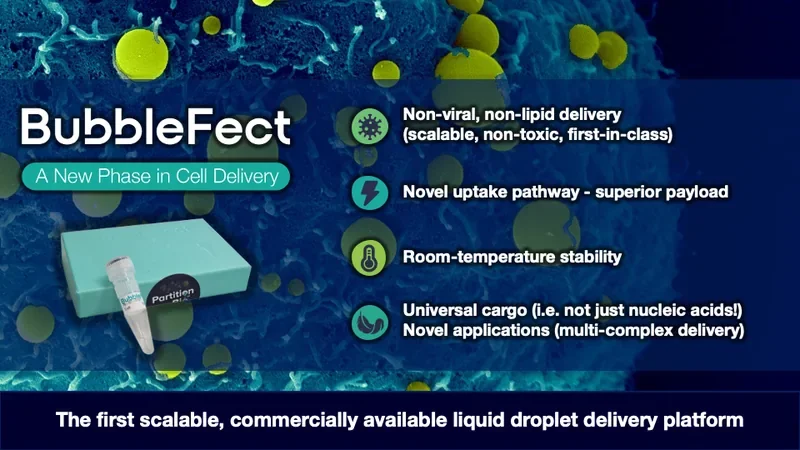
Slides from our Tech Talk focusing on BubbleFect
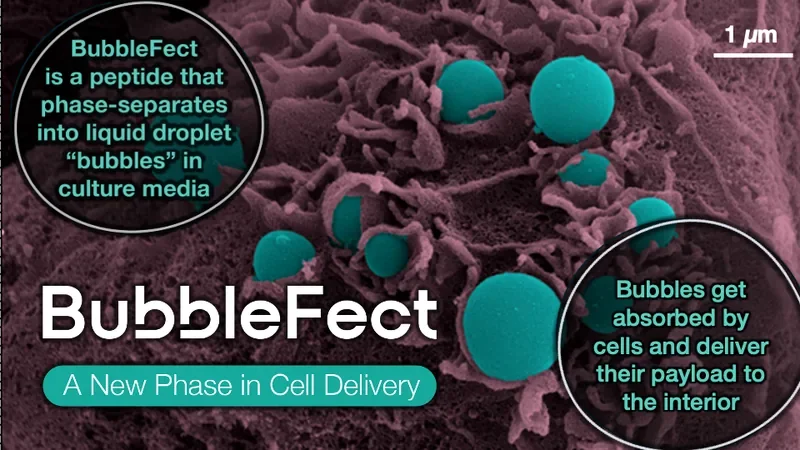
Slides from our Tech Talk focusing on BubbleFect
PartitionBio at ELRIG Cell & Gene Therapy 2026 — Key Takeaways
This is where alternative approaches, particularly non-viral delivery technologies, are becoming increasingly important. At PartitionBio, we see strong parallels between the goals of next-generation AAV engineering and what we aim to achieve with BubbleFect. By enabling efficient, gentle, and scalable non-viral transfection, BubbleFect offers a complementary path forward, one that could help address some of the limitations associated with viral systems, while still supporting high-performance gene delivery.
As the field evolves, it’s likely that both viral and non-viral approaches will play critical roles, with the most effective solutions depending on the specific application. The convergence of these technologies is what makes this such an exciting time for cell and gene therapy.
We’d like to extend a big thank you to ELRIG for organising yet another fantastic event. Their meetings consistently strike the right balance between high-quality science and a welcoming, collaborative atmosphere. We genuinely love being part of this community.
We’re still motivated and inspired by winning the Innovation Award at ELRIG Drug Discovery in Liverpool in 2025, an experience that continues to drive our work and ambition as we grow.
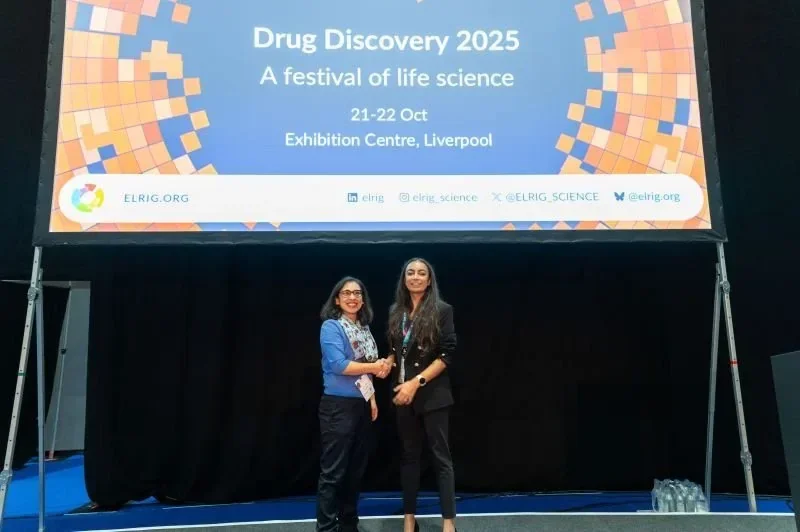
Zehra collecting our Award at ELRIG Drug Discovery 2025
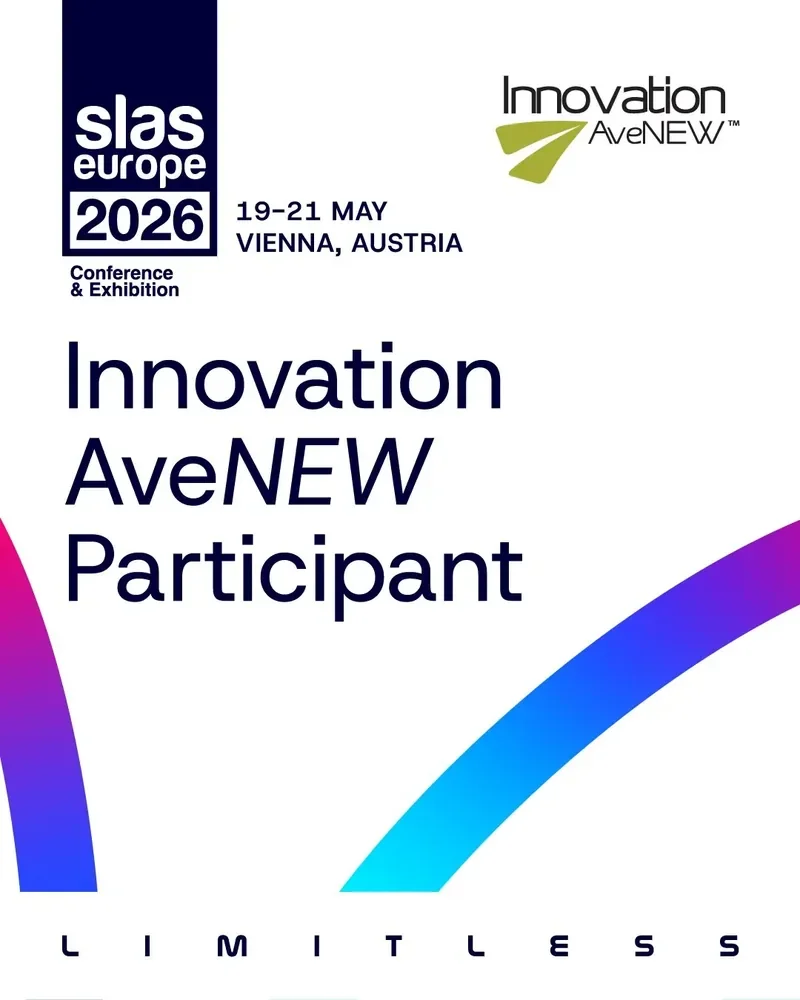
PartitionBio will be heading to Vienna for SLAS 2026
Next up for PartitionBio: SLAS 2026 in Vienna. We’re excited to bring our work, and maybe a few more crochet surprises, to a new audience.
If you didn’t get a chance to connect with us at ELRIG, we’d love to continue the conversation. See you in Vienna!